
Product Design Lifecycle
What started as 'quick wins' for a 12-year-old product became a complete transformation that changed the company's strategic direction. Here's how designing for both today and tomorrow shifted business priorities overnight.
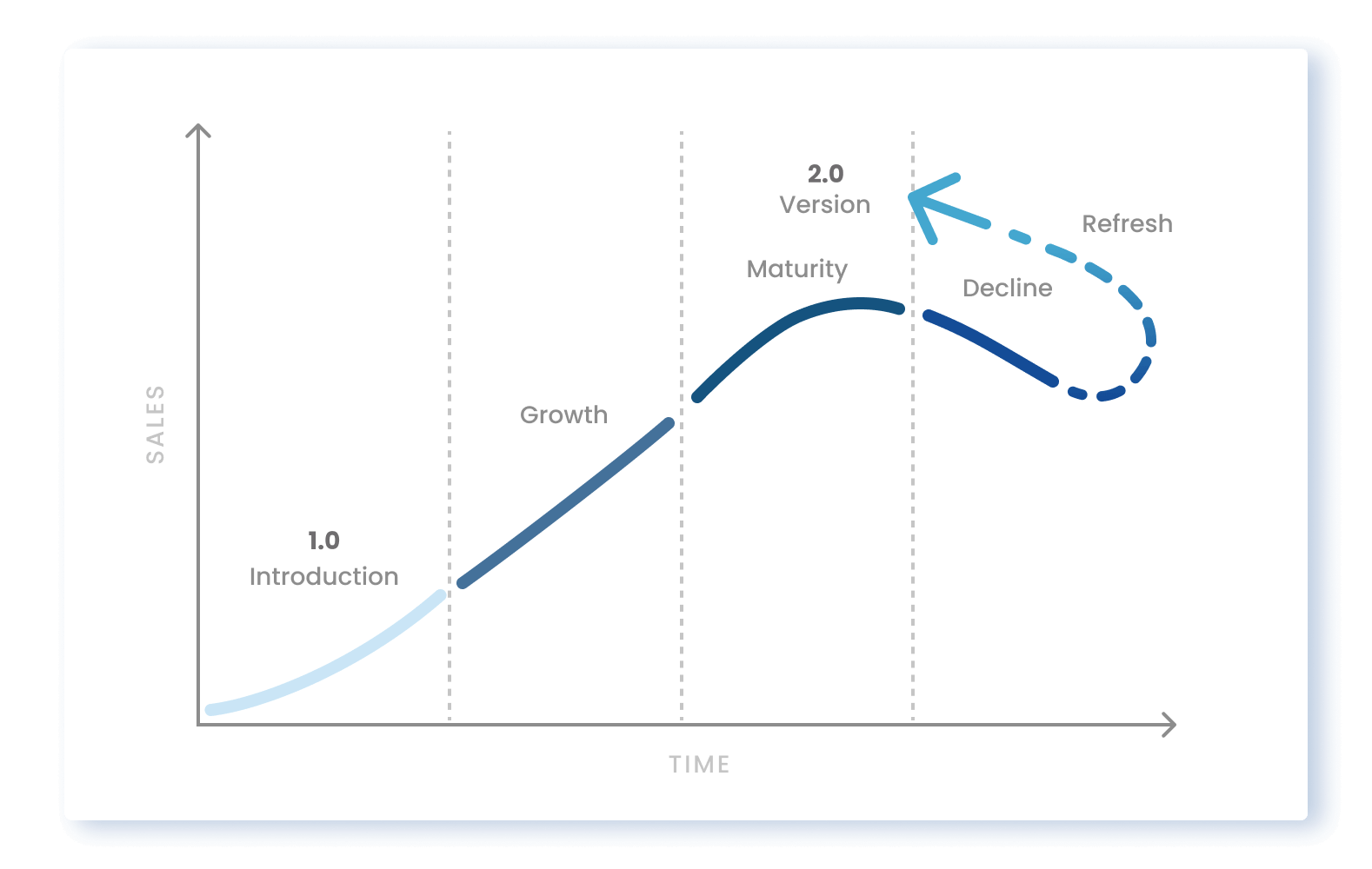
Timeline | 5 months design, 3 months implementation sprint
Role | Lead Product Designer
Collaborators | Lead Developers, Client Operations
Impact | Accelerated 2-year roadmap, shifted entire business focus
The Strategy
I revamped our declining flagship product by designing both fast UX improvements and a future-proof 2.0 version using a dual-track strategy that delivered value immediately while driving long-term transformation.
Track 1: Enhancement Version (v1.5)
Quick wins to support users immediately while paving the way for 2.0
Redesigned the homepage with a customizable layout
Applied design system styles to existing pages
Resolved high-friction UX pain points
Timeline: Ship within weeks
Track 2: Full Reimagining (v2.0)
Future-ready foundation and modernized end-to-end experience
Rebuilt the information architecture from the ground up
Reimagined key workflows and page-level interactions
Introduced a scalable modern UI using the new design system
Timeline: 18-24 month roadmap
The Key: I designed the enhancement to seamlessly integrate with v2.0, showing stakeholders that incremental work wouldn't be wasted, it was the bridge to transformation.
The Turning Point
I presented both tracks together in a coordinated reveal that showed how incremental improvements and long-term vision aligned into one roadmap.
First: The v1.5 homepage enhancements: modern, customizable, and immediately achievable. Positive response from stakeholders.
Then: How these improvements would seamlessly roll into the v2.0 architecture.
Finally: The complete v2.0 vision, reimagined information architecture, transformed user experience, and a scalable design foundation.
What was planned as a 2-year roadmap became a 3-month sprint. Leadership immediately pivoted the entire company's focus to launch v2.0. The incremental approach became a full transformation.
What I Delivered:
✓ Complete site architecture replacing 12 years of accumulated complexity
✓ Customizable homepage experience adaptable to user needs
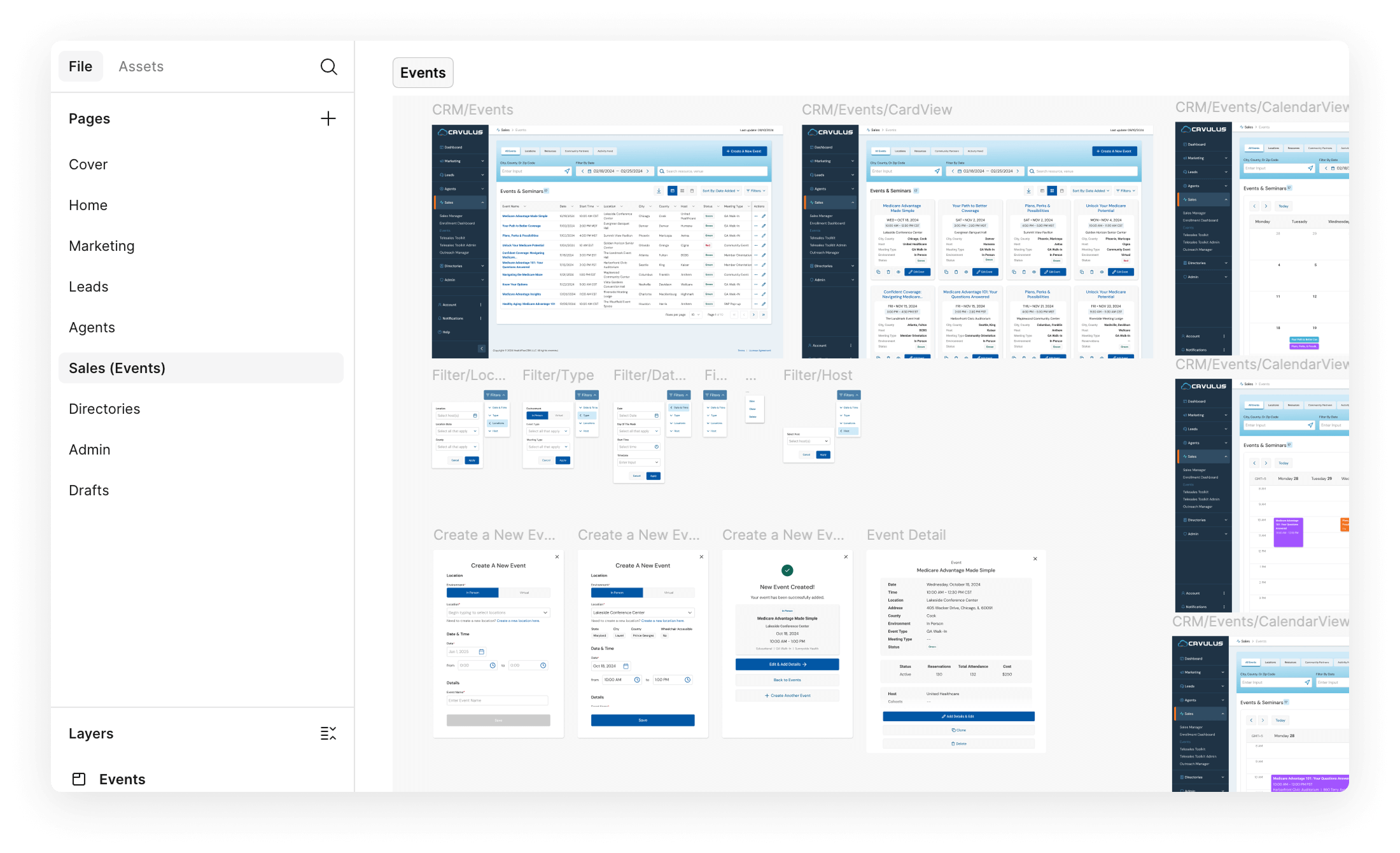
✓ Design system implementation across legacy and new experiences
✓ Reimagined user journeys and modernized core interactions
The Impact & Takeaway
The Results:
Entire company priorities shifted to v2.0 launch
3-month aggressive timeline for flagship product transformation (vs. 2-year plan)
Cross-functional teams mobilized around unified design vision
Major investment in modern technology to support new architecture
Product positioned for next decade of growth
Current Status: The v2.0 product is actively in development, representing the company's largest product investment in over a decade.
The Challenges:
Obsolete technology → Designed flexible solutions while pushing modernization
No existing architecture → Created intuitive hierarchy from scratch
Balancing priorities → Proved quick wins and vision were complementary, not competing
What I Learned: Sometimes the best way to drive bold change is to first show you understand incremental needs. By designing both the bridge and the destination, I gave stakeholders confidence to make the leap.
The Takeaway
This project reinforced what I believe about product design, it's not just about making things better, it's about envisioning what's possible and creating a clear path to get there. When you design with both immediate needs and future vision in mind, you don't just improve products you shift business strategy.


Thanks for reading!
If you’re looking for a designer who can turn complex challenges into simple, high-performing experiences, I’d love to connect. Let’s talk about how I can help your team reach its goals.